Ecuador

As a result of the decades-old Colombian conflict, more than 250,000 Colombians have entered Ecuador seeking refuge, and hundreds more continue to cross the border every month. Since 2000, 64,471 Colombians have formally registered with the Ministry of Foreign Affairs; however, tens of thousands more have not availed themselves of the protection assistance available to them from the United Nations or local authorities.

With the aim of supporting refugees and asylum seekers to move forward with their lives in their Ecuadorian host communities or ultimate resettlement destination, HIAS, in partnership with the United Nations High Commissioner for Refugees (UNHCR) runs a Psychosocial Assistance Program and a Center for Information and Orientation, and manages a Humanitarian Assistance Program and the Albert Einstein German Academic Refugee Initiative (DAFI) Program.

Psychosocial Assistance Program for Colombian Refugees in Ecuador

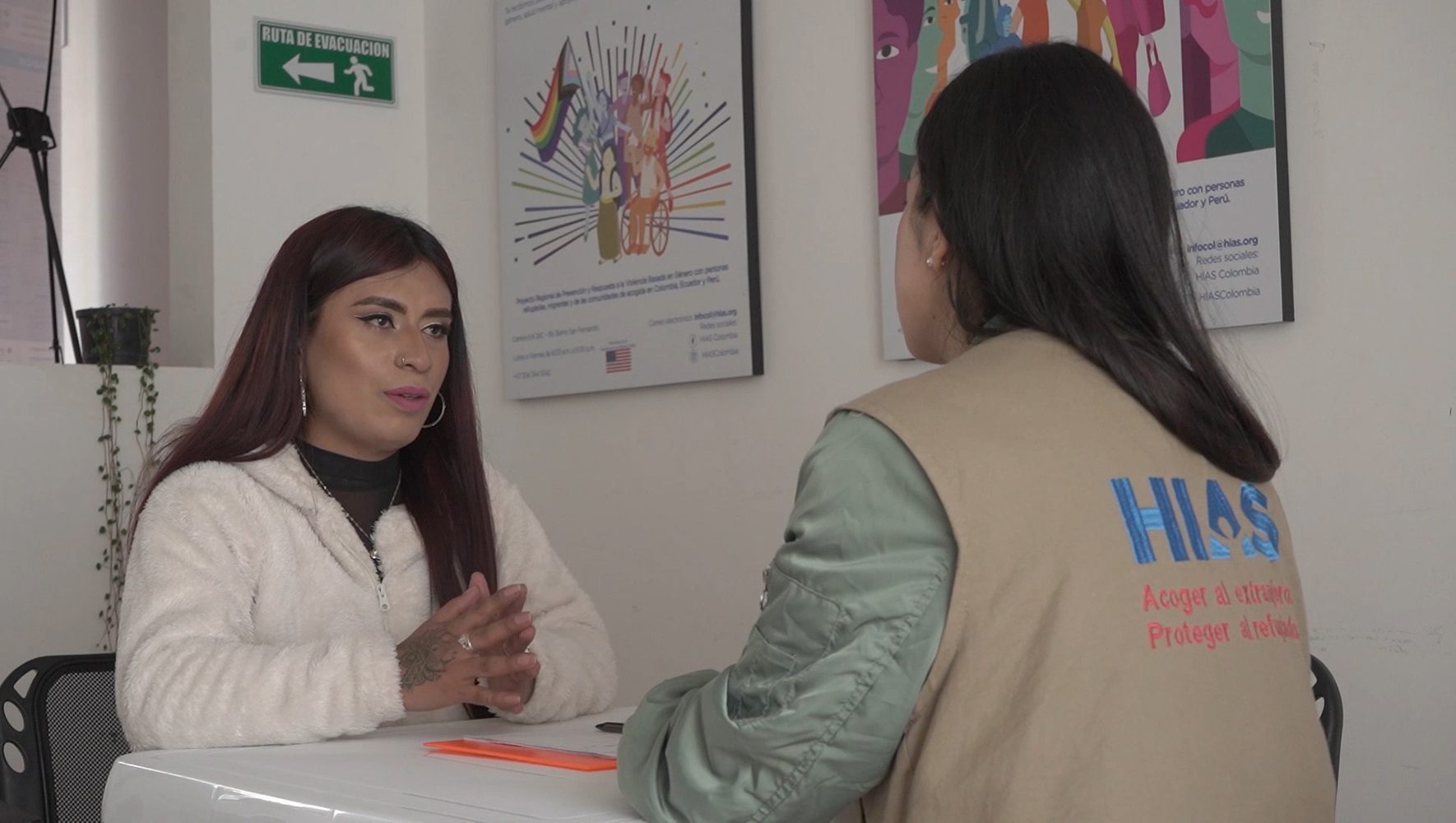
After being forced to leave their homes and surviving threats and violent attacks, Colombian refugees often arrive in Ecuador suffering the effects of severe trauma. In order to help them overcome debilitating symptoms such as anxiety and depression and move forward with their lives, in 2003 HIAS established the Psychosocial Assistance Program for Colombian Refugees in Ecuador.

The Program’s main goal is to improve durable solution options for this refugee community, preparing individuals for integration into their Ecuadorian host-communities or in their resettlement destinations.

In addition, the Program has three specific objectives:

1) to provide direct psychological services to survivors of torture and trauma in individual and group settings;

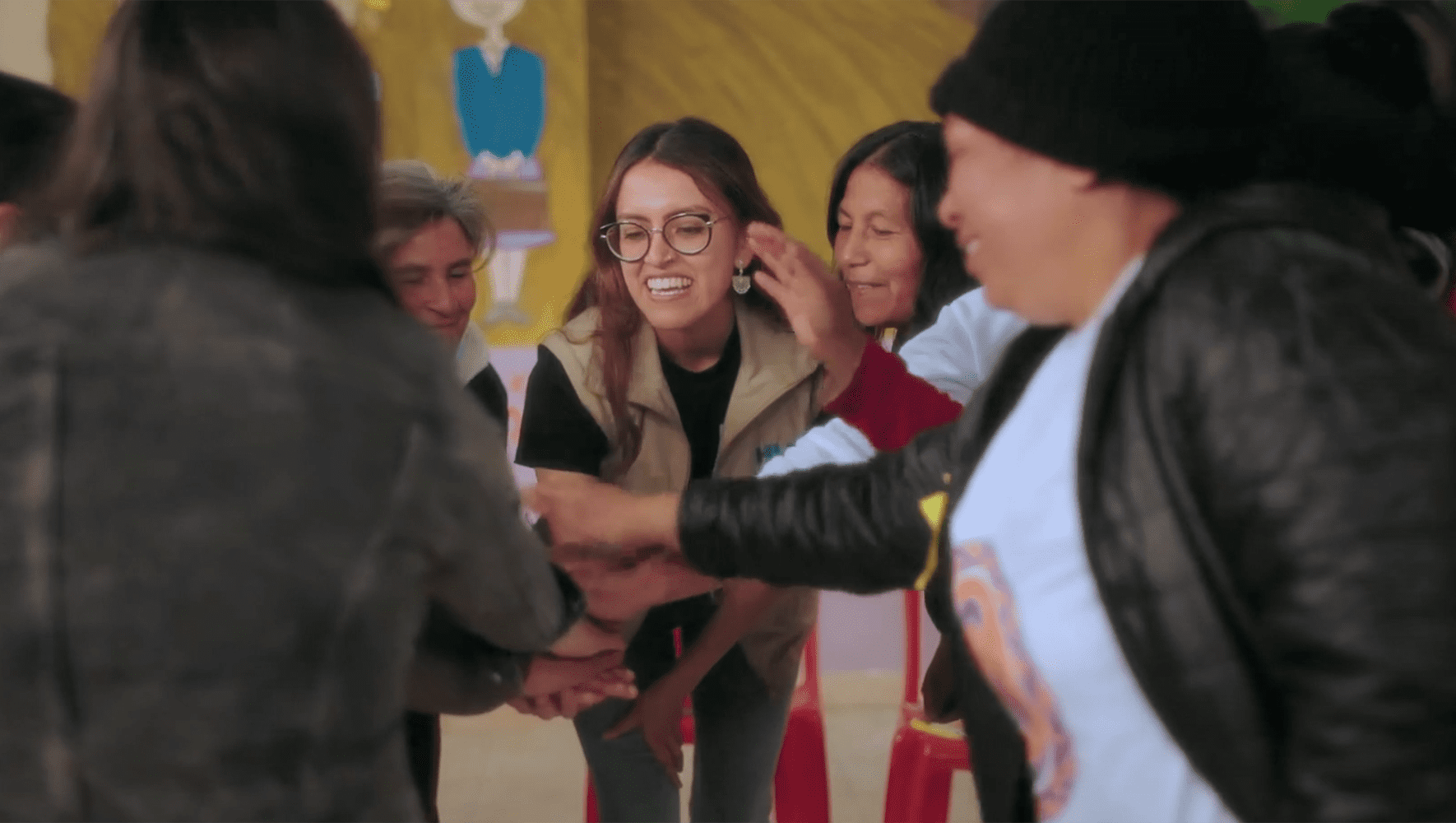
2) to offer therapeutic, community-based workshops, such as literacy training, recreation groups for children, and parenting workshops, that enhance the capacities of refugee survivors attempting to integrate into their communities;

3) to increase the capacity of Ecuadorian service providers and refugee agencies assisting this population through peer trainings by HIAS psychologists.

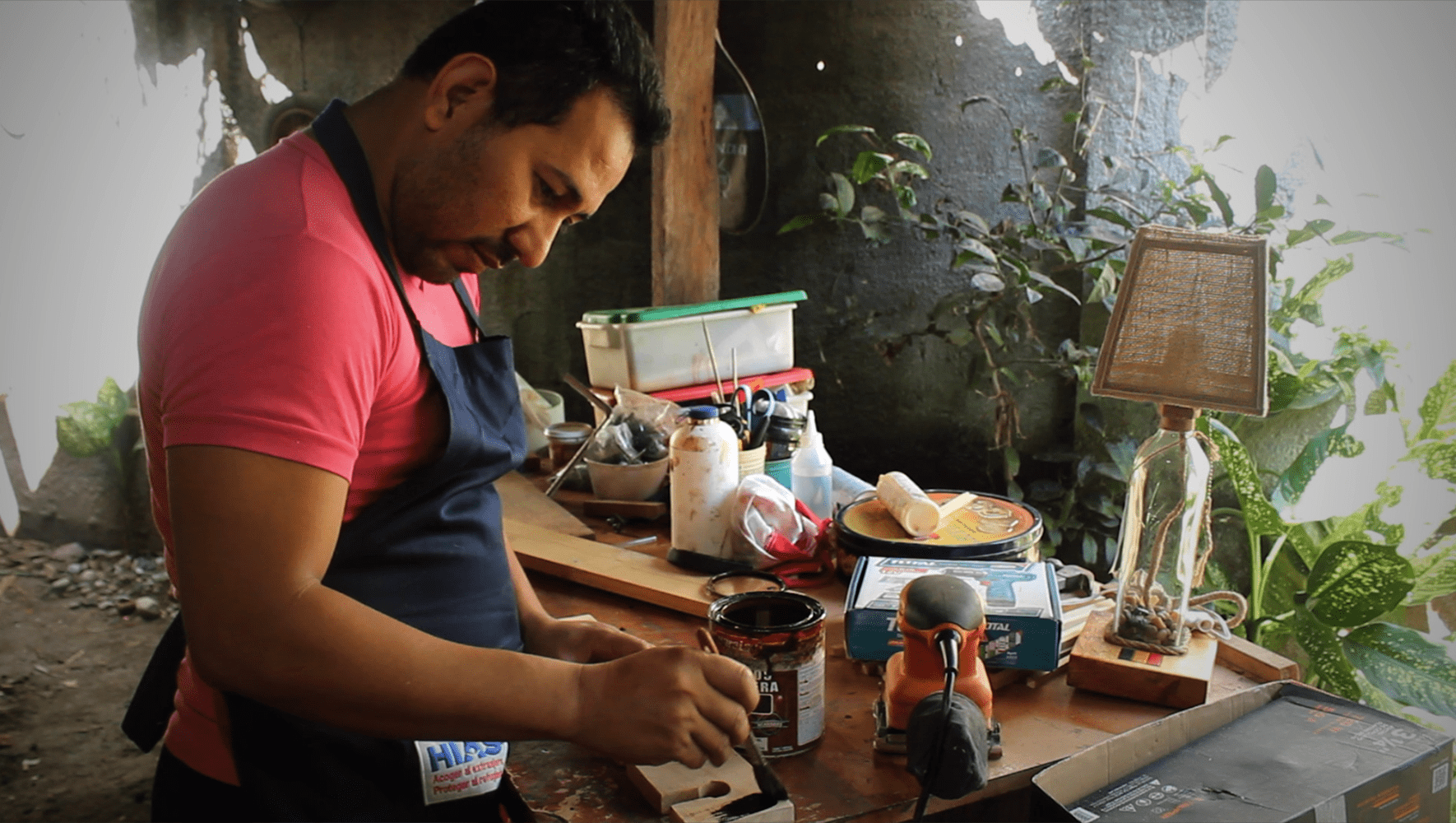
Since the Program’s inception, HIAS has witnessed the benefits of its services as its clients have begun to recover. Success comes in many different forms: some refugees have found jobs in Ecuador and are integrating into society, some require less medical assistance, and many are committed to obtaining an educational degree. Some have been resettled to third countries and many maintain regular contact with the HIAS staff that assisted them in Ecuador. The fact that there have been more referrals generated by the increased word of mouth about the Program among refugees is testament to its effectiveness. In 2007, HIAS assisted more than 10,600 persons through its Psychosocial Services.


Lago Agrio Literacy Workshops

In 2007, 189 adults became literate thanks to the training received in literacy workshops in Lago Agrio, Ecuador. Beyond providing fundamental skills to the refugees, the workshop becomes a therapeutic space where they interact with others, share problems, and find new solutions.

In 2007, HIAS and the Center for Initiatives for Refugees and Foreigners in Brussels agreed that HIAS provide orientation for Ecuadorians who once migrated to Belgium and have returned to Ecuador. Staff of the Psychosocial Program assists in the reintegration of these Ecuadorians to their home country.


Humanitarian Assistance Program

In 2007, UNHCR asked HIAS to manage a national Humanitarian Assistance Program that provides food, shelter, and hygiene kits for refugees. This assistance is available in eight locations in Ecuador. In 2007 36,940 refugees received humanitarian assistance.

In each these localities, HIAS promotes the development of local capacity by hiring and training local staff in the Project principles and ways of intervention. In 2007 the Government of the United Kingdom, with HIAS support, trained Ecuadorian policemen on human rights. In addition, HIAS works closely with a network of local institutions and grassroots organizations ensure the Project's sustainability.

Volunteers from Italy’s Federazione Organismi Cristiani di Servizio Internazionale Volontario participate in HIAS programs in a variety of ways. For example they work in the children’s corners, participate in special missions, and collaborate regarding distribution of food and hygiene kits.

Center for Information and Orientation (CINOR)

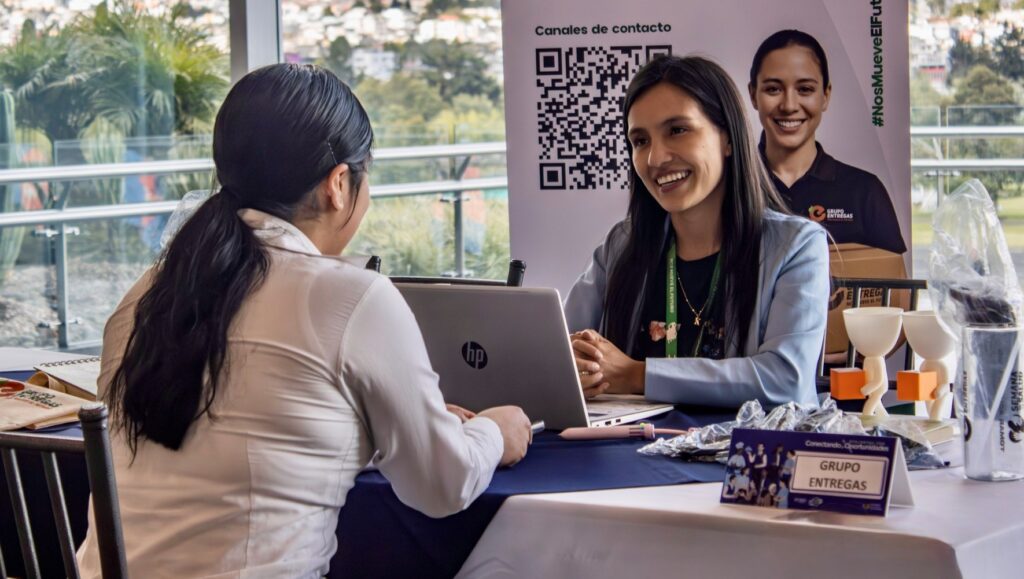
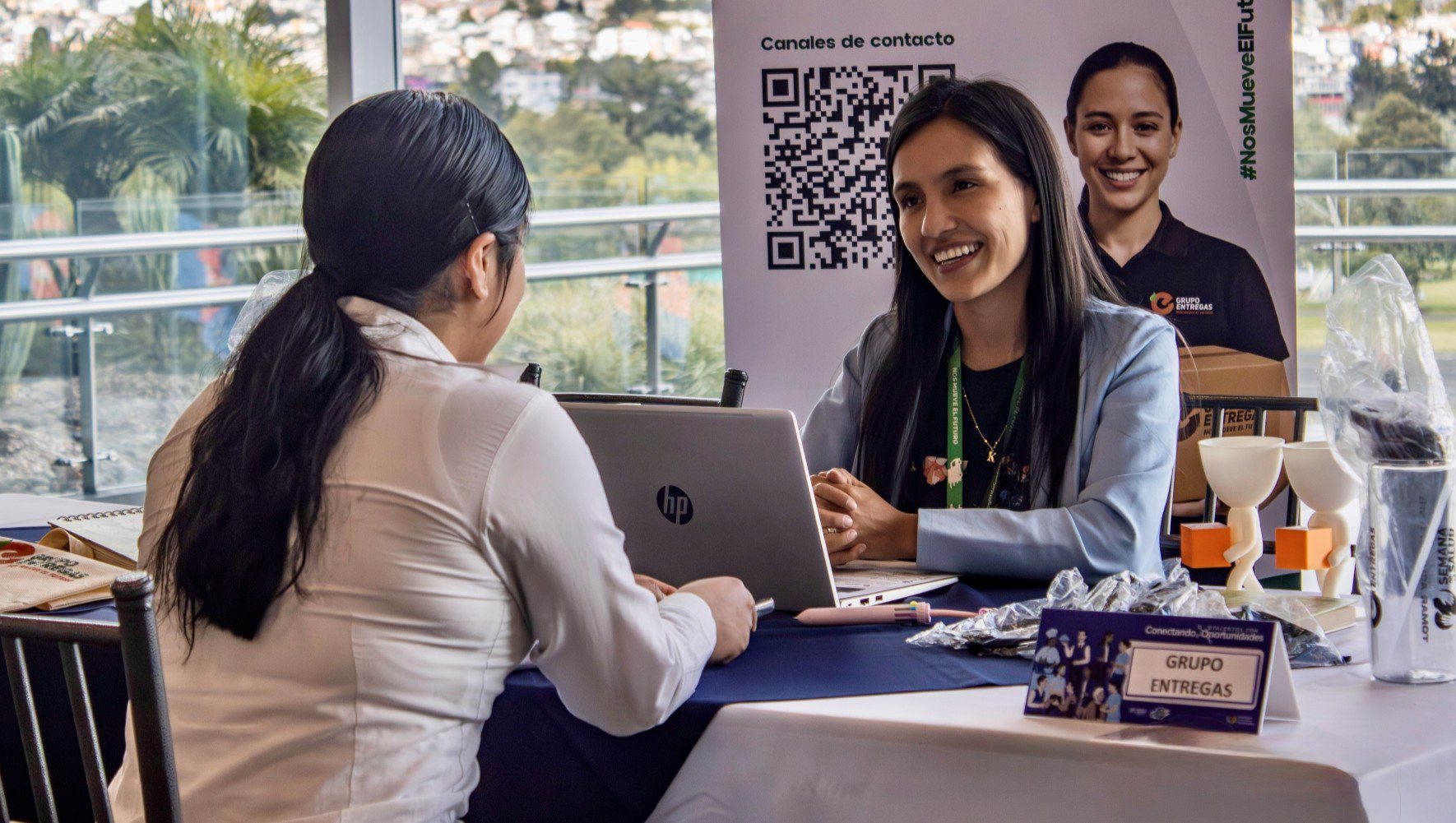
In 2005, HIAS launched a program aimed at supporting Colombian refugees and asylum seekers in Ecuador with information on their legal rights and available social services: CINOR. At CINOR, refugees and asylum seekers can receive information on micro credit and job opportunities.

Albert Einstein German Academic Refugee Initiative (DAFI) Program

Through a program sponsored by the German government, UNCHR offers higher education scholarships for refugees so they may start or complete tertiary education in their host country. The program also provides financial support so the students can validate their degrees or obtain the necessary documentation to restart their studies in the host country. HIAS is UNHCR’s implementing partner overseeing the administration of the DAFI program.

As of December 2007, the DAFI Program in Ecuador supported 27 students studying in universities in Lago Agrio, Quito, Ibarra, Santo Domingo, Cuenca and Ambato. As part of the DAFI program, the grantees are asked to volunteer to train other refugees in their area of expertise or in a skill they have gained at university (i.e. first aid, environmental conservation) and/or by collaborating with other HIAS Programs (i.e. supporting recreational activities with refugee children).