2007
Venezuela navigates a series of complex developments affecting most vulnerable people’s needs. 7.9 million people within the country need humanitarian assistance, with critical needs concentrated in health, food security, education, water and sanitation systems, nutrition, and protection, including child protection, violence against women and girls, and mental health support.
Venezuelan people and communities in need, as well as refugees, face protection risks and challenges to access services and welfare, especially the groups with greater risks.
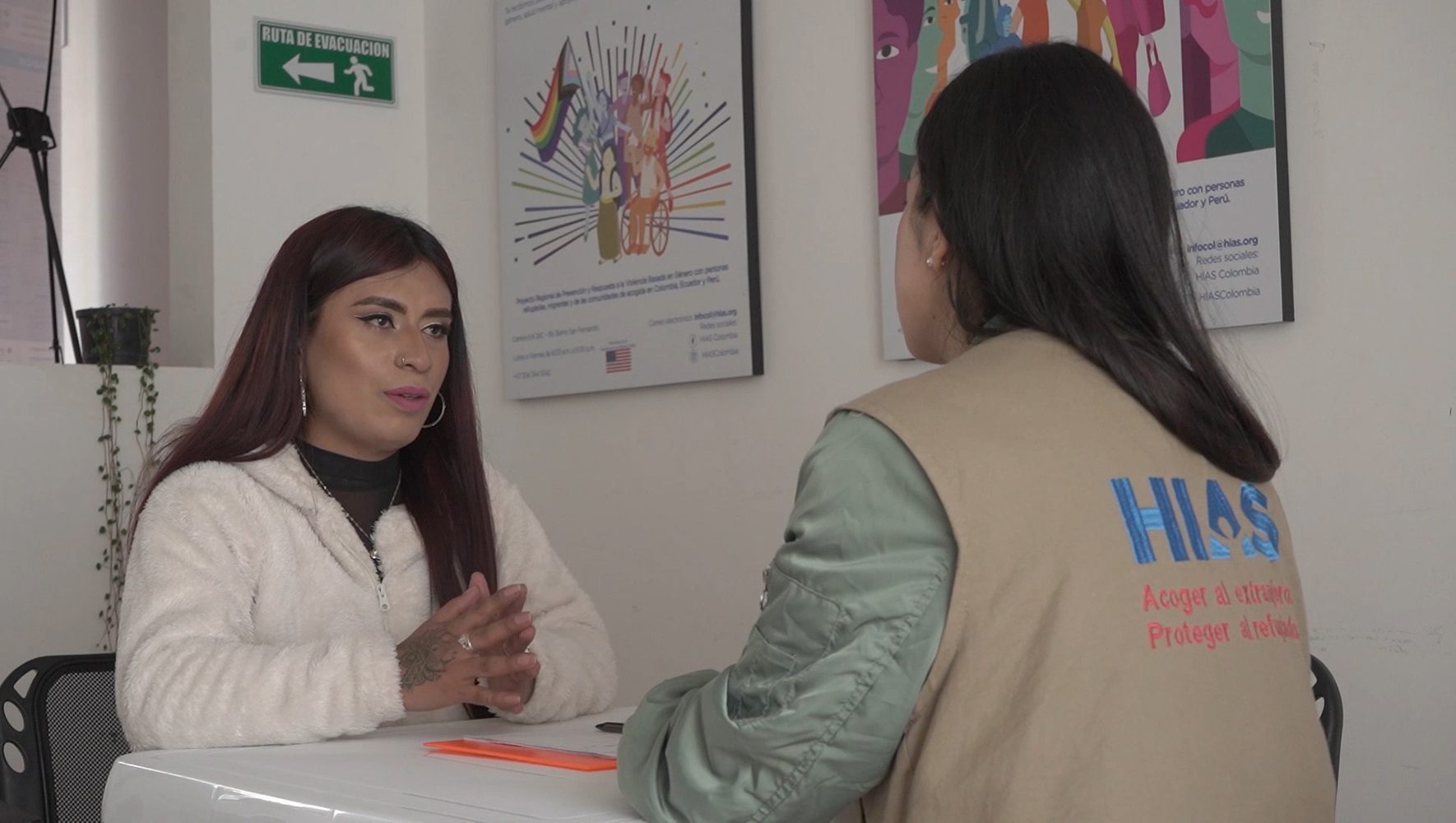
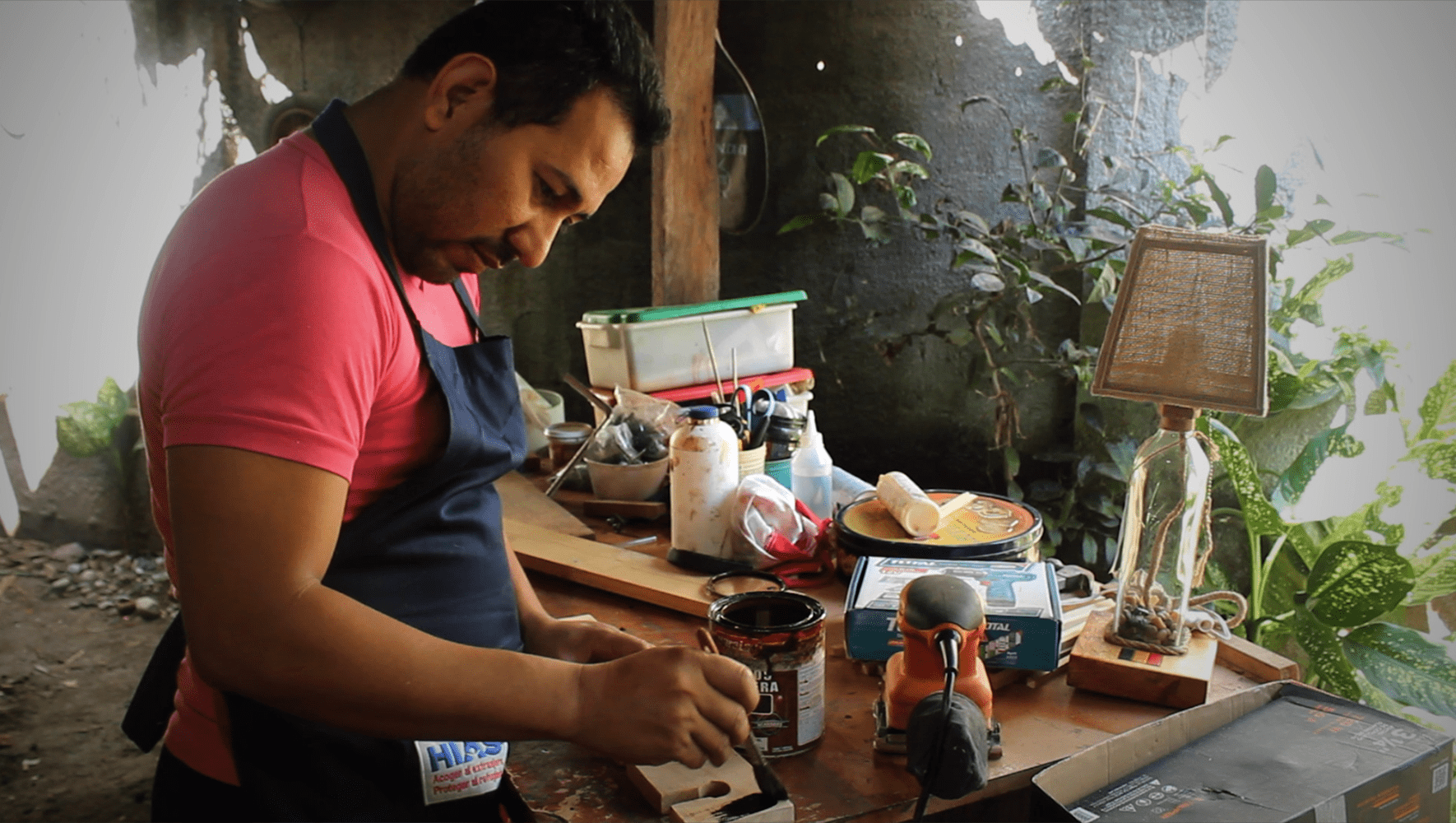
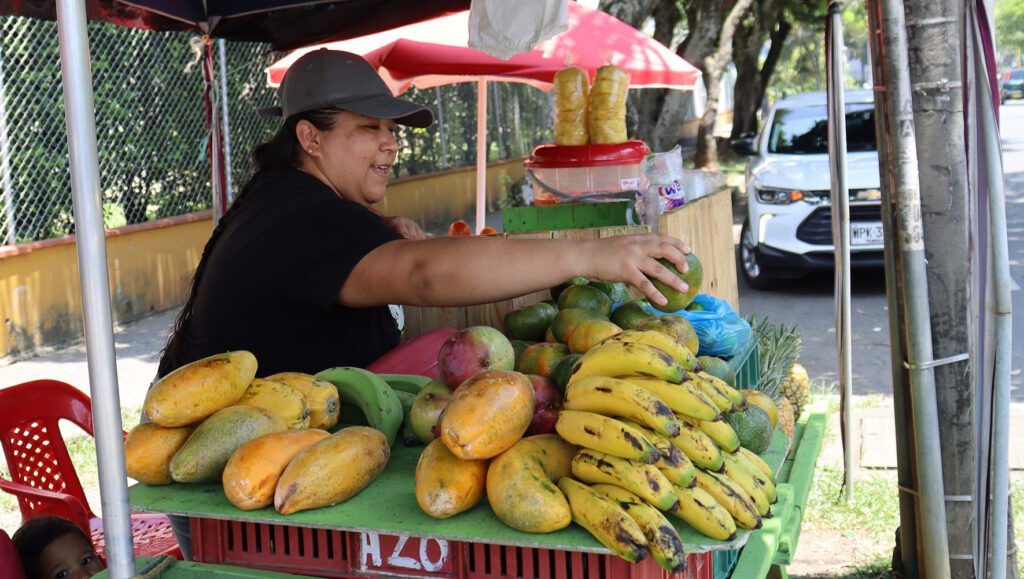
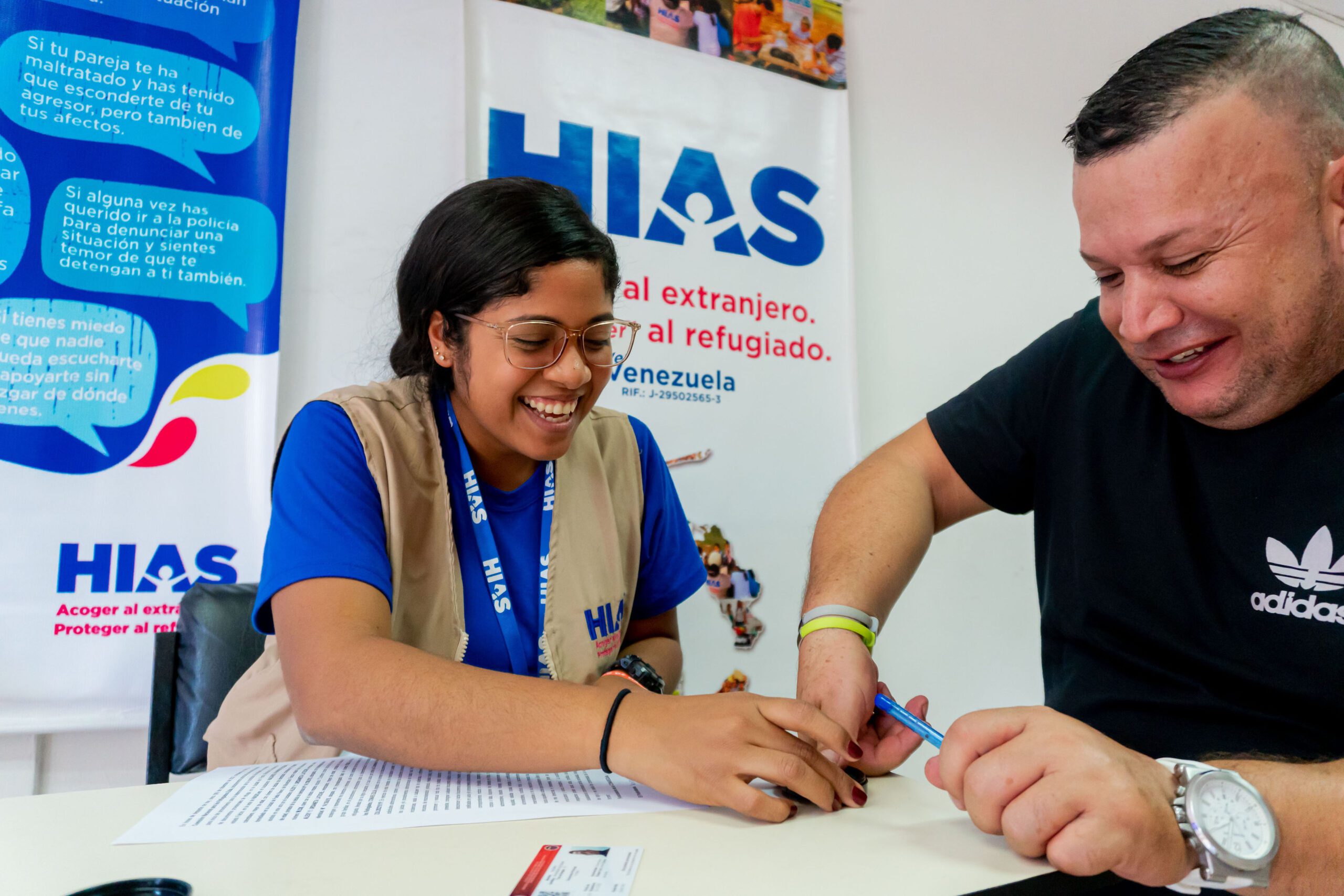
In this context, HIAS helps people to rebuild their lives with dignity through activities in the following areas: mental health and psychosocial support (MHPSS), response to violence against women and girls, legal and integrated protection, child protection, and livelihoods and economic empowerment.
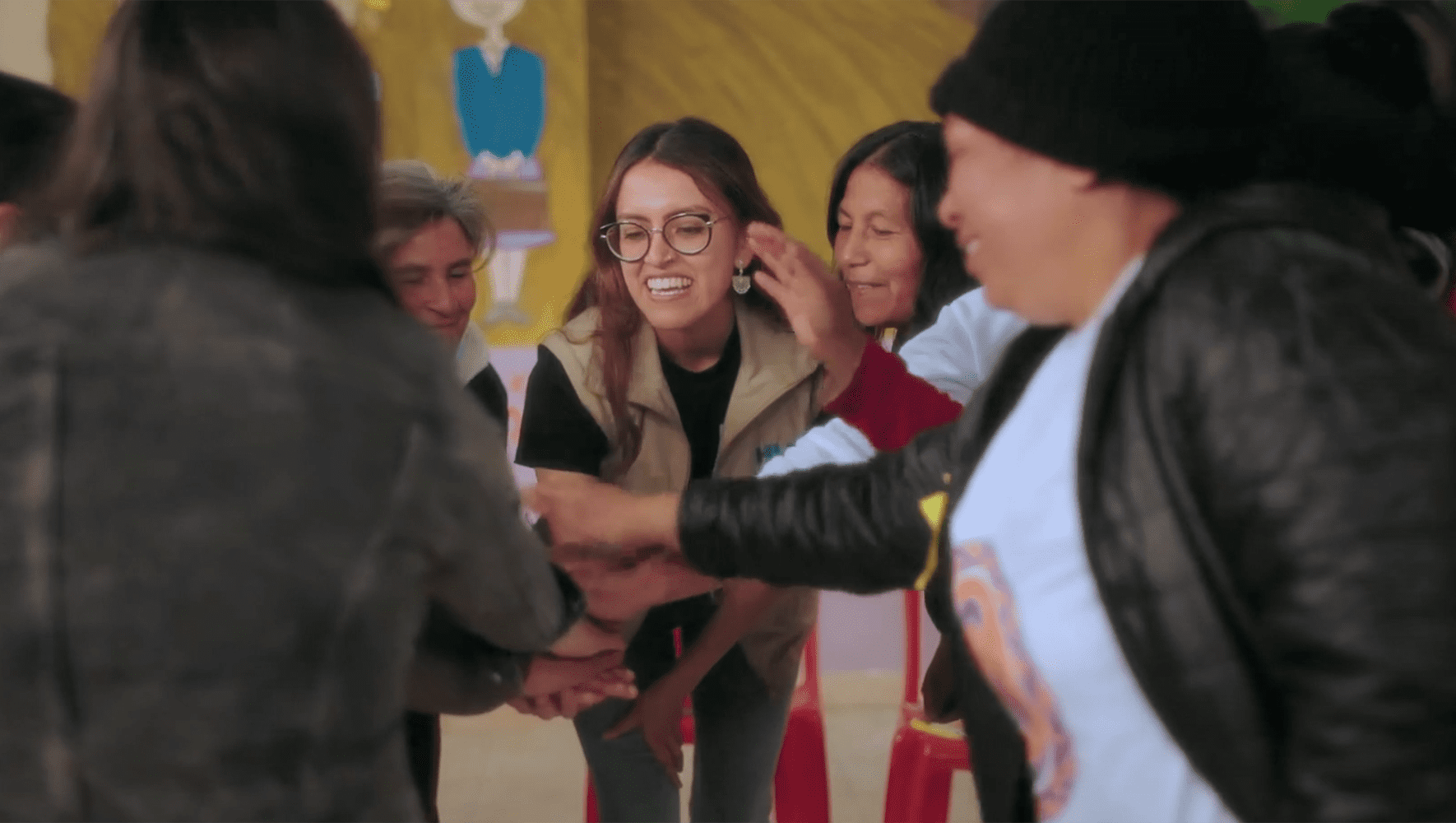
HIAS offers services to strengthen the individual resources and capacities of our participants and communities by addressing needs, identifying opportunities, and building solutions that facilitate sustainable changes in their lifestyle and foster their empowerment. Our approach is holistic, protection-focused, and human-centered.
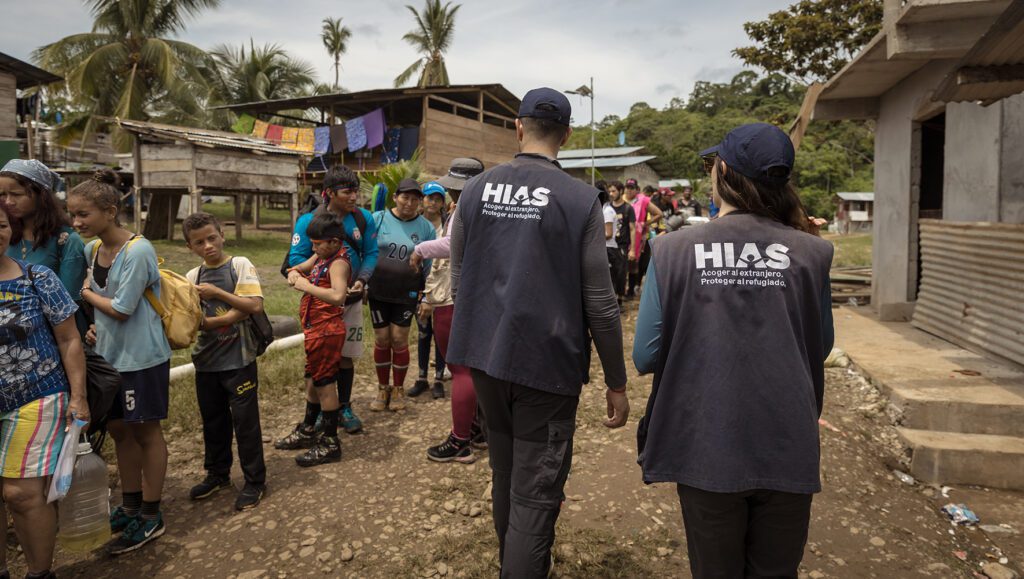
HIAS Venezuela supports groups that face greater risks, such as women-led households, children and adolescents, survivors of violence, people on the move (returnees), the elderly, people with disabilities, people from indigenous communities, and others.